
 +91 92092 25721
 help@horizonhospitalgoa.com
High blood pressure, or hypertension, is rising sharply across Goa. Driven by shifting lifestyle patterns, urban work stress, and changing dietary habits, this condition is often called a "silent killer." It quietly damages your heart, brain, kidneys, and blood vessels long before any noticeable symptoms appear.
With Goa's unique tropical climate, rising consumption of processed foods, social alcohol intake, and increasingly sedentary routines, knowing how to manage your blood pressure is more critical than ever.
At Horizon Hospital Goa, we prioritise preventive healthcare and early diagnosis to help you and your family maintain optimal heart health.
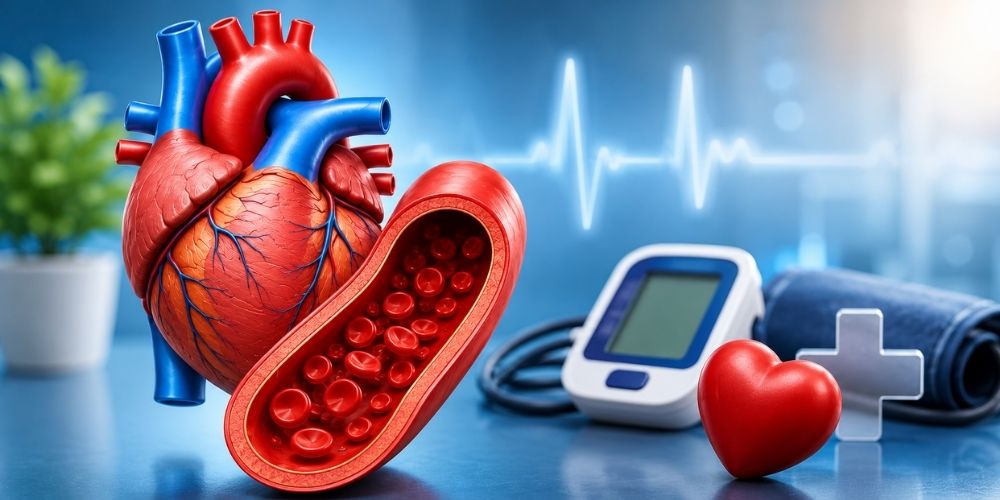
Blood pressure is the lateral force exerted by circulating blood against the walls of your arteries. When a healthcare professional measures your blood pressure, they record two distinct numbers:
| Blood Pressure Category | Systolic Reading (Top) | Diastolic Reading (Bottom) |
|---|---|---|
| Healthy / Normal | Around 120 mmHg | Around 80 mmHg |
| Elevated | 120–129 mmHg | Less than 80 mmHg |
| Hypertension (High) | 130–140+ mmHg | 80–90+ mmHg |
Note: Readings consistently at or above 140/90 mmHg require medical evaluation and a personalised management plan from a heart specialist.
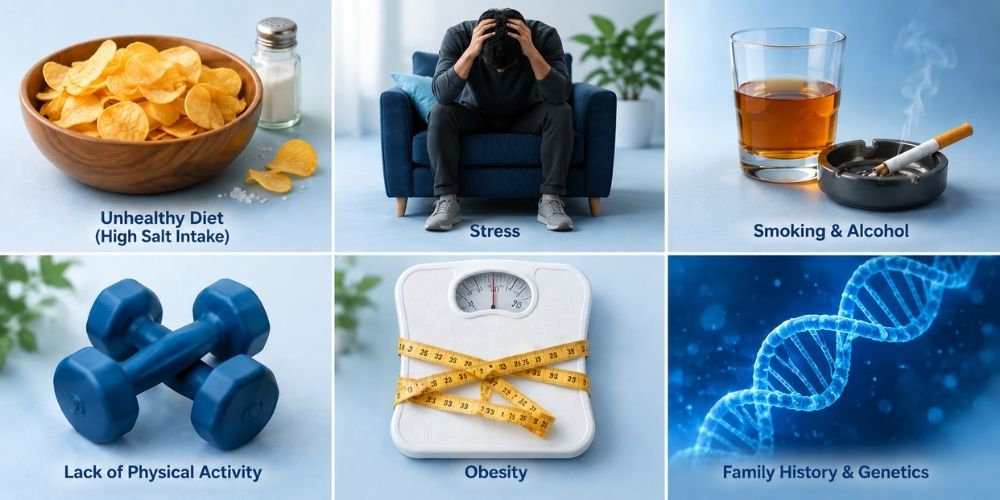
Goa's unique cultural landscape and rapid urbanization present specific environmental and lifestyle triggers that can elevate blood pressure in both older adults and younger individuals.
While fresh fish is incredibly healthy, the frequent intake of packaged snacks, fast food, and traditional local favorites like salty seafood pickles dramatically increases sodium retention, which directly elevates blood pressure.
Deadlines, irregular sleep schedules, traffic congestion, and a constant connection to digital devices trigger chronic stress. This keeps your body's fight-or-flight response active, constricting blood vessels over time.
Goa’s intense summer heat and high humidity cause rapid fluid loss through sweat. Dehydration concentrates the blood and forces the heart to pump harder, putting extra strain on your cardiovascular system.
Desk-bound remote work has significantly reduced daily physical activity. Additionally, excessive alcohol consumption and smoking—which can be prominent in social settings—directly damage arterial walls and elevate systemic vascular resistance.
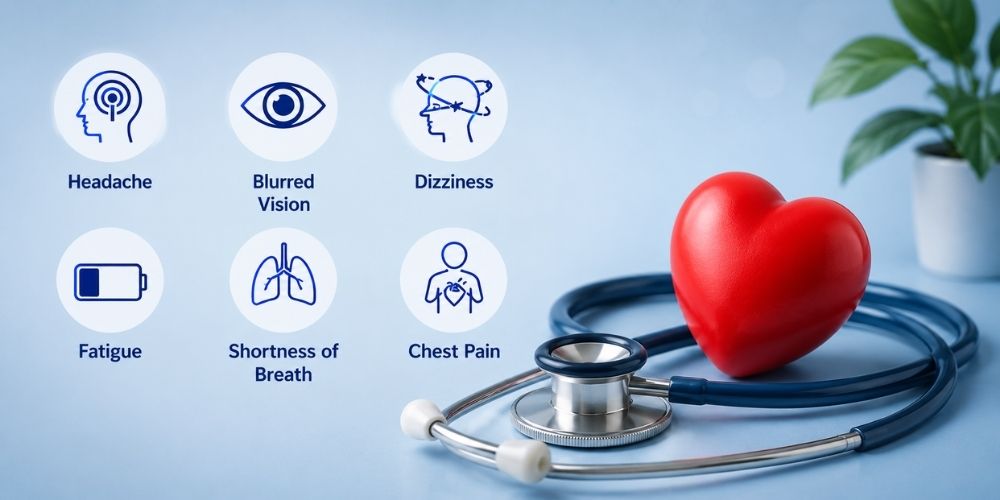
Because hypertension typically develops without obvious warning signs, regular screenings are vital. However, if your blood pressure spikes significantly, you may experience:
Environmental transitions play a surprising role in how your body regulates blood pressure throughout the year.
Extreme heat leads to rapid dehydration and electrolyte imbalances. If you have pre-existing hypertension, your heart has to work double-time to cool your body down, increasing the risk of cardiovascular events.
During the heavy rainy season, outdoor physical activities like walking or cycling often come to a halt. This sudden shift to a sedentary routine, combined with dietary changes, can cause blood pressure levels to creep upward unnoticed.
Protecting your heart doesn't require a complete life overhaul. Small, deliberate daily choices can significantly lower your cardiovascular risk.
You should schedule a clinical evaluation if your home blood pressure readings are consistently high, or if you fall into any of these high-risk categories:
Yes, in moderation. Fresh coconut water is a natural source of potassium, which may help the body manage sodium levels. Limit it to one fresh coconut a day, and speak to your doctor if you have kidney problems or fluid restrictions.
Hypertension often has no obvious symptoms in the early stages. It can quietly affect the heart, brain, kidneys, and blood vessels, which is why regular blood pressure checks are important.
Check it in the morning before food, coffee, or medication, and again in the evening. Sit quietly for 5 minutes, keep your feet flat, and support your arm at heart level.
Heat and humidity may temporarily lower blood pressure by widening blood vessels, but dehydration can make the heart work harder and cause unsafe fluctuations. Stay hydrated, especially in summer.
Early-stage high blood pressure may improve with weight control, reduced salt intake, regular walking, and limited alcohol. However, prescribed medicines should never be stopped without medical advice.
You can visit Horizon Hospital Goa for preventive health check-ups, blood pressure monitoring, cholesterol testing, kidney function tests, blood sugar screening, and specialist consultation.
Managing high blood pressure requires a balance of proper medication, lifestyle modifications, and continuous monitoring. At Horizon Hospital Goa, we offer advanced preventive healthcare treatment, personalised lifestyle counselling, and dedicated cardiology consultations tailored to your specific needs.
Don't wait for symptoms to appear. Take control of your cardiovascular health today.
👉 Book Your Preventive Health Checkup at Horizon Hospital Goa
 Horizon ICU & Hospital